What is Sales Funnels? Unlock Marketing Success Today
What is Sales Funnels? A Comprehensive Guide to Success
Have you ever wondered how successful businesses convert leads into loyal customers? Understanding what sales funnels are is crucial for anyone looking to enhance their marketing strategy. A sales funnel is a structured process that guides potential customers through various stages of their buying journey, ultimately leading to conversions. With over 15 years of experience in digital marketing and sales optimization, I can help you grasp the fundamentals of sales funnels and their transformative power in driving business success. In this article, you will learn the essential components of a sales funnel, effective strategies to implement, and common pitfalls to avoid, all designed to elevate your marketing efforts and maximize your results.
Understanding Sales Funnels
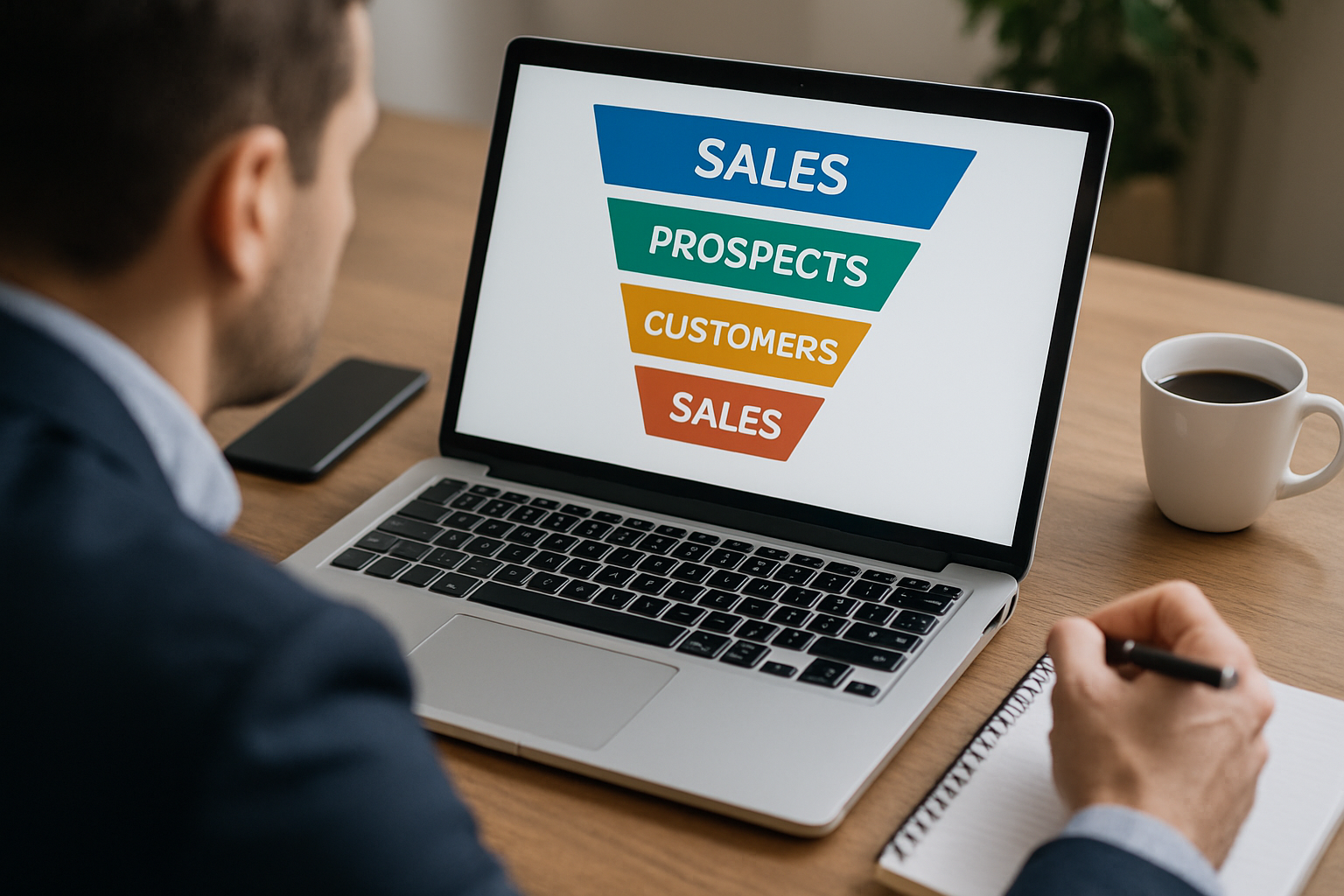
Sales funnels are strategic models designed to guide potential customers through the stages of the buying process, from awareness to action. The funnel concept illustrates the gradual narrowing of prospects as they move through various stages. Initially, a broad audience is attracted, and as they engage with content, only a fraction progresses to the final purchase. This model helps businesses visualize customer journeys and optimize marketing strategies to increase conversion rates.
Stages of a Sales Funnel
A typical sales funnel consists of several key stages: Awareness, Interest, Decision, and Action. In the Awareness stage, potential customers learn about the product or service. Interest involves engaging the audience with informative content. The Decision stage sees prospects evaluating options, while Action is where the final purchase occurs. Understanding these stages is crucial for tailoring marketing efforts effectively.
Importance of Sales Funnels
Sales funnels provide clear insights into customer behavior and preferences. By analyzing where prospects drop off in the funnel, businesses can identify weaknesses in their marketing strategies. This insight allows for refined messaging, targeted promotions, and ultimately an increase in conversions. Effectively utilizing sales funnels can lead to better customer retention and improved overall sales performance.
Key Points:
- Sales funnels visualize the customer journey from awareness to action.
- Understanding funnel stages helps tailor marketing strategies effectively.
💡 Map out your customer journey to identify key touchpoints and tailor your messaging accordingly.
💡 Use data analytics to track funnel performance and make informed adjustments to your strategies.
💡 Create engaging content at each stage of the funnel to maintain interest and drive conversions.
Building an Effective Sales Funnel
Creating an effective sales funnel requires a systematic approach to ensure that each stage effectively leads prospects toward a purchase. This involves designing targeted content, utilizing lead magnets, and nurturing leads through email marketing. A well-constructed funnel not only attracts potential customers but also educates and builds trust, which is essential for conversion. Businesses must continuously iterate and optimize their funnels based on performance data and customer feedback.
Crafting Compelling Content
Content plays a pivotal role in guiding prospects through the sales funnel. At the top of the funnel, focus on educational and informative materials that raise awareness. As prospects move down the funnel, provide more detailed content, such as case studies and testimonials, to nurture their interest and assist in decision-making. Tailored content helps maintain engagement and drives prospects closer to the action stage.
Leveraging Lead Magnets
Lead magnets are incentives offered to potential customers in exchange for their contact information. These can include free trials, eBooks, or webinars. By effectively utilizing lead magnets, businesses can capture leads at the top of the funnel and begin nurturing them through targeted outreach. Lead magnets should be relevant and valuable to the target audience to encourage sign-ups and ongoing engagement.
Key Points:
- Effective sales funnels require systematic content and nurturing strategies.
- Lead magnets are crucial for capturing and engaging potential customers.
💡 Regularly update your content to keep it relevant and aligned with customer needs.
💡 Segment your audience to deliver personalized content that resonates with different buyer personas.
💡 Implement A/B testing on landing pages to identify the most effective designs and messages.
Understanding Sales Funnels
A sales funnel is a marketing model that outlines the stages a potential customer goes through before making a purchase. It typically consists of awareness, interest, decision, and action phases. Understanding this model helps businesses identify where they might lose potential customers and optimize their processes accordingly. By mapping out each stage, marketers can create tailored content and strategies that resonate with the audience, ultimately leading to higher conversion rates. Key metrics such as conversion rates and customer acquisition costs can be monitored at each stage to drive better results.
Stages of the Sales Funnel
The sales funnel comprises four main stages: awareness, interest, decision, and action. Awareness involves attracting potential customers through marketing efforts. Interest is cultivated by providing valuable information, while decision focuses on persuading prospects to consider your offering. Finally, action is where the purchase takes place. Understanding these stages helps refine marketing strategies and improve customer engagement.
Importance of Customer Journey Mapping
Mapping the customer journey through the sales funnel is crucial for identifying touchpoints where customers may drop off. By analyzing customer behavior at each stage, businesses can tailor their messaging and offers to better meet customer needs. This approach not only enhances customer experience but also increases the likelihood of conversions.
Key Points:
- Sales funnels guide potential customers through their buying journey.
- Identifying touchpoints helps in optimizing marketing strategies.
💡 Visualize your funnel stages to identify weaknesses and optimize flow.
💡 Use analytics tools to track customer behavior and refine your approach.
Building Effective Sales Funnels
Creating an effective sales funnel requires a combination of strategic planning and ongoing optimization. Begin by defining your target audience and their pain points. Craft compelling messages that resonate with your audience at every stage of the funnel. Additionally, using lead magnets to gather contact information can effectively move prospects from awareness to interest. Regularly testing and adjusting your funnel based on performance data ensures you stay relevant and efficient in your marketing efforts.
Crafting Compelling Content
Content is king in a sales funnel. Create informative and engaging content tailored to each stage of the funnel. For awareness, focus on educational blog posts or videos that attract attention. In the interest stage, provide case studies or testimonials to build credibility. Ensure that your content addresses the specific needs and concerns of your audience to guide them towards making a decision.
Leveraging Automation
Automation tools can significantly enhance the effectiveness of your sales funnel. By automating email follow-ups, you can nurture leads through the interest and decision stages with minimal effort. Use automated sequences to provide personalized content based on where the lead is in the funnel, ensuring timely and relevant communication that drives engagement.
Key Points:
- Effective content addresses audience needs at each funnel stage.
- Automation can streamline processes and enhance customer engagement.
💡 Regularly update content to reflect current trends and audience needs.
💡 Utilize A/B testing to compare different funnel variations and optimize performance.
EXPERT TIPS Pro Advice
Analyze competitor funnels for insights.
Understanding competitors’ sales funnels can provide valuable insights into effective strategies and gaps in your approach, allowing you to refine your own funnel.
Focus on building trust.
Trust is crucial in converting leads. Utilize testimonials, social proof, and transparent communication to build credibility and encourage customer action.
Regularly review funnel metrics.
Consistent analysis of key metrics like conversion rates and drop-off points allows you to make informed decisions and optimize your sales funnel for better performance.
Frequently Asked Questions
Conclusion
In summary, sales funnels are essential tools for guiding potential customers from awareness to purchase. Understanding their structure and stages can significantly enhance your marketing efforts. By optimizing your funnel, you can improve customer engagement and increase conversions.
🎯 Key Takeaways:
- Sales funnels guide customers from awareness to purchase.
- Each stage of the funnel addresses specific customer needs.
- User-friendly tools make funnel creation accessible to all.
- Optimizing your funnel can improve conversion rates.
- Sales funnels are beneficial for most businesses.
Expert Advice: Focus on understanding your audience and continuously optimizing your sales funnel. Regularly analyze performance data and adjust your strategies to better meet customer needs, ensuring a higher chance of conversion.
Start evaluating your current sales process today and consider how a well-defined sales funnel can enhance your business success.